
Why Indiana Soil and Climate Create Unique Foundation Challenges
Foundation problems do not develop randomly. They follow predictable patterns driven by the specific soil conditions and climate characteristics of the region where a home sits. Understanding what drives foundation movement in this specific environment helps homeowners recognize warning signs earlier and make better decisions when professional attention becomes necessary.
Local Knowledge Makes Foundation Diagnosis More Accurate
Foundation problems that look identical on the surface often have different underlying causes depending on regional soil and climate conditions. Homeowners who want accurate diagnosis connect with experienced Indianapolis Foundation Repair Experts whose understanding of local conditions produces repair recommendations genuinely matched to what the specific situation requires.
Freeze-Thaw Cycles Create Relentless Foundation Stress
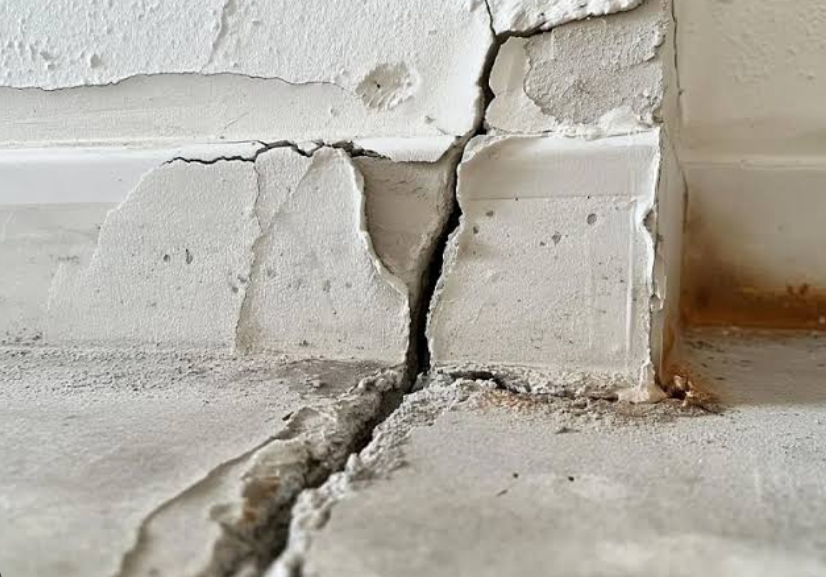
To begin with, Indiana winters deliver freeze-thaw cycles that stress foundation systems through mechanisms that warmer climate homeowners never encounter. Water infiltrating foundation cracks expands when temperatures drop below freezing. It widens those cracks incrementally with every cycle. Soil surrounding foundations heaves upward as moisture freezes then settles as it thaws. That repeated movement creates differential stress on foundation walls and footings that accumulates across multiple winters into visible cracking and settlement. Foundations that show minimal distress through their first decade sometimes reveal significant movement after several consecutive harsh winters exploit vulnerabilities that milder conditions had not yet stressed to their tolerance limits.
Clay Soil Behavior Amplifies Moisture-Driven Movement
Furthermore, significant portions of Indiana sit on clay-heavy soil profiles that expand when wet and contract when dry in ways that create foundation movement patterns distinct from sandy or loamy soil behavior. Wet spring seasons saturate clay soils surrounding foundations. That saturation creates lateral pressure against foundation walls. Dry summer periods then shrink the same soils away from foundation surfaces. That cyclical expansion and contraction produces the differential movement that manifests as cracking, bowing walls, and uneven settlement. Homeowners whose properties sit on clay-heavy soils benefit from drainage improvements that moderate soil moisture fluctuation as much as from direct structural repairs that address the symptoms those fluctuations produce.
Poor Drainage Accelerates Every Foundation Problem
Another regional factor that compounds foundation challenges in this environment is the drainage management difficulty that flat topography and clay-heavy soils create simultaneously. Water that cannot drain away from foundation perimeters saturates surrounding soil. It creates hydrostatic pressure against basement walls. It infiltrates through cracks and porous concrete. It raises interior moisture levels that affect finished basement spaces and support mold conditions that affect air quality throughout the home. Correcting drainage deficiencies through grading improvements, downspout extensions, and perimeter drainage systems addresses the moisture source that drives foundation deterioration rather than simply managing the structural consequences of sustained moisture exposure.
Older Homes Face Compounded Challenges from Aging Materials
Finally, Indiana’s significant stock of older homes presents foundation challenges that newer construction does not face in the same combination. Poured concrete foundations from mid-century construction have experienced decades of freeze-thaw cycling. Block foundation walls from the same era develop mortar joint deterioration that creates moisture infiltration pathways and reduces structural capacity. Stone foundations in the oldest properties require specialized assessment approaches that modern foundation repair experience does not always include. A foundation specialist with genuine experience across multiple foundation types and construction eras brings appropriate expertise to older home assessments that specialists focused primarily on newer construction may not fully possess.
Conclusion: Local Knowledge Makes Foundation Diagnosis More Accurate
To sum it all up, freeze-thaw cycling, clay soil behavior, drainage challenges, and aging construction materials combine to create foundation conditions that regional expertise addresses more accurately than generic approaches applied without that local context. Understanding what drives foundation movement in this specific environment is the first step toward repair decisions that address causes rather than symptoms and deliver results that hold through every seasonal cycle the climate produces.

Recent Comments